DIANA LOLA POSANI 30.sep 2026—15.jan 2027

DIANA LOLA POSANI 30.sep 2026—15.jan 2027

Diana Lola Posani
FIABA
Curated by Giovanna Manzotti

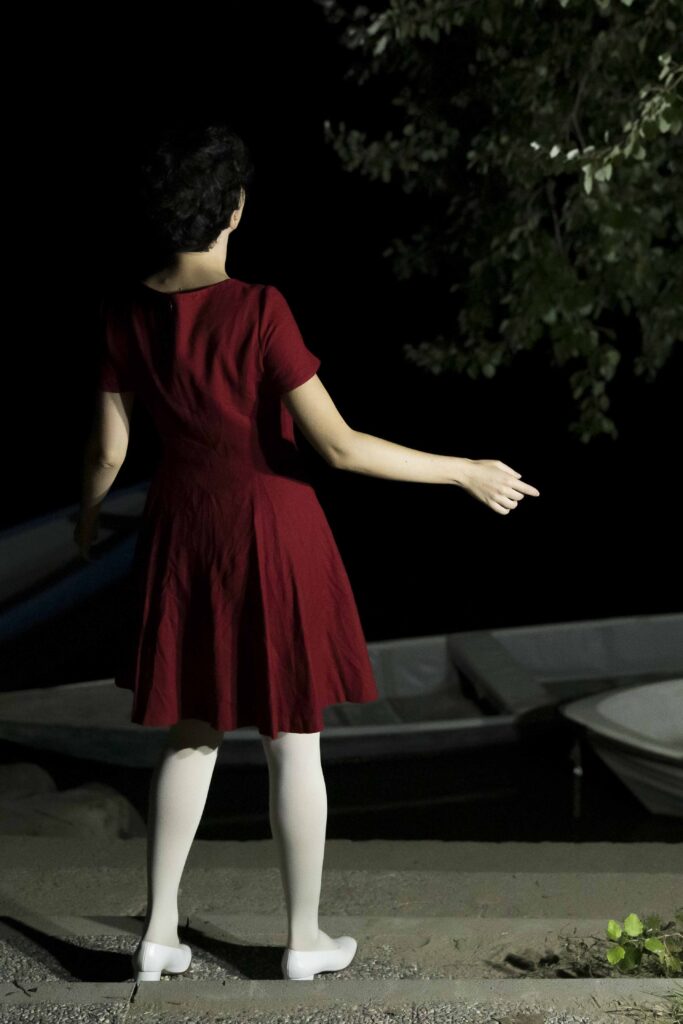
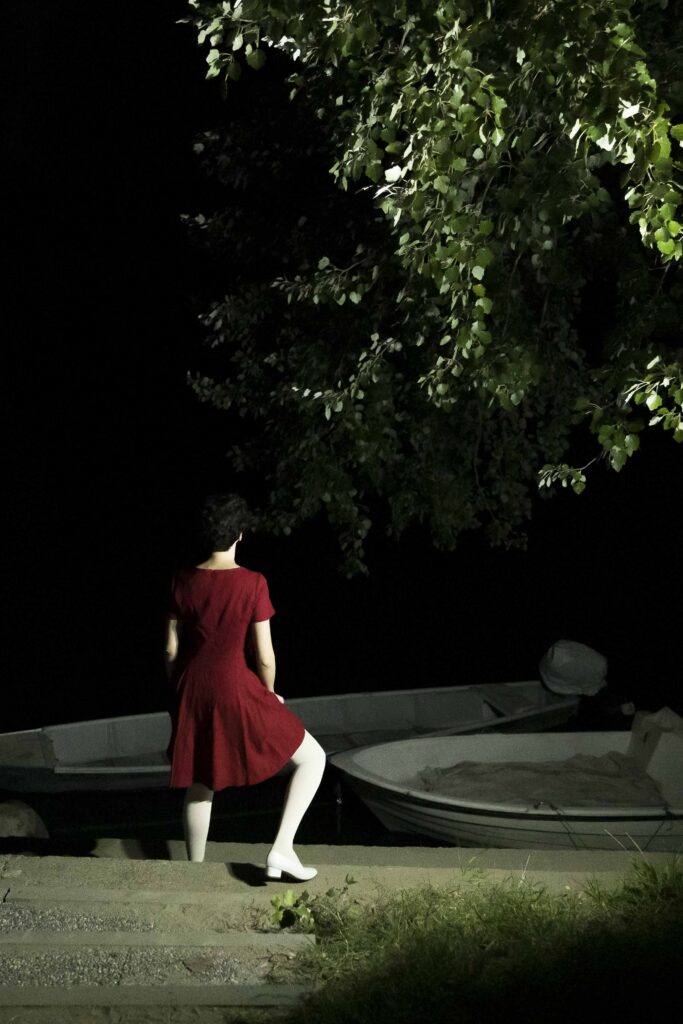
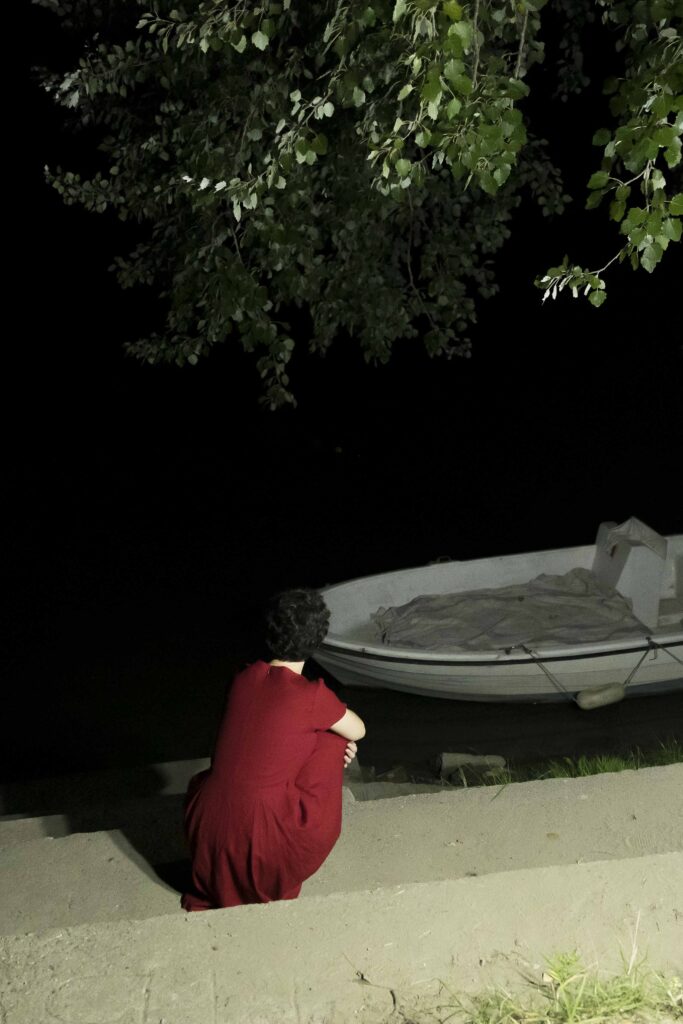
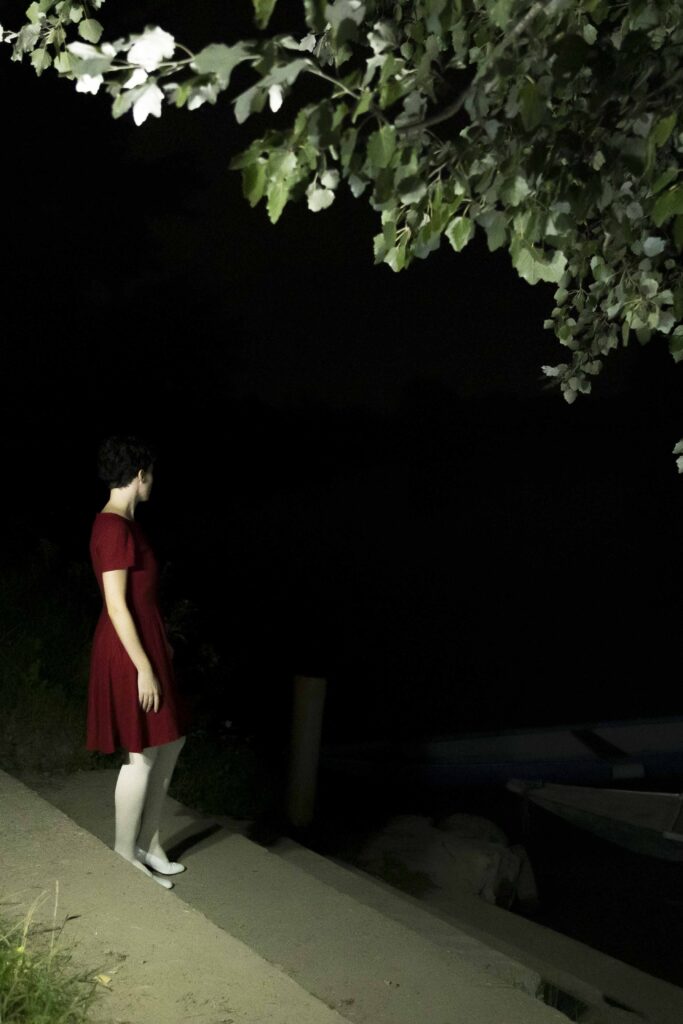
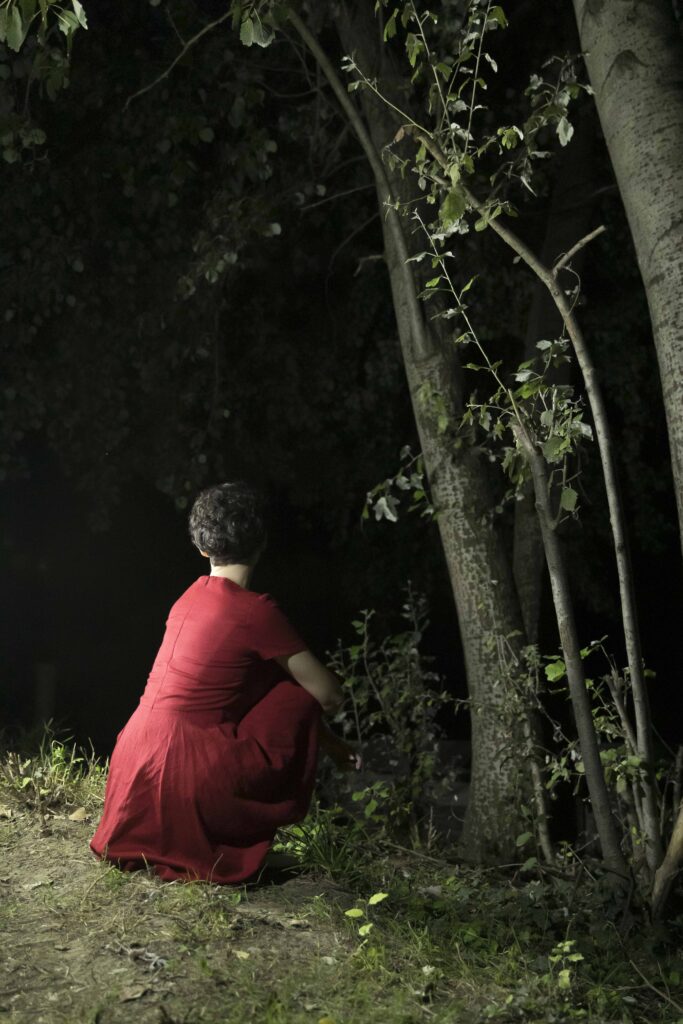
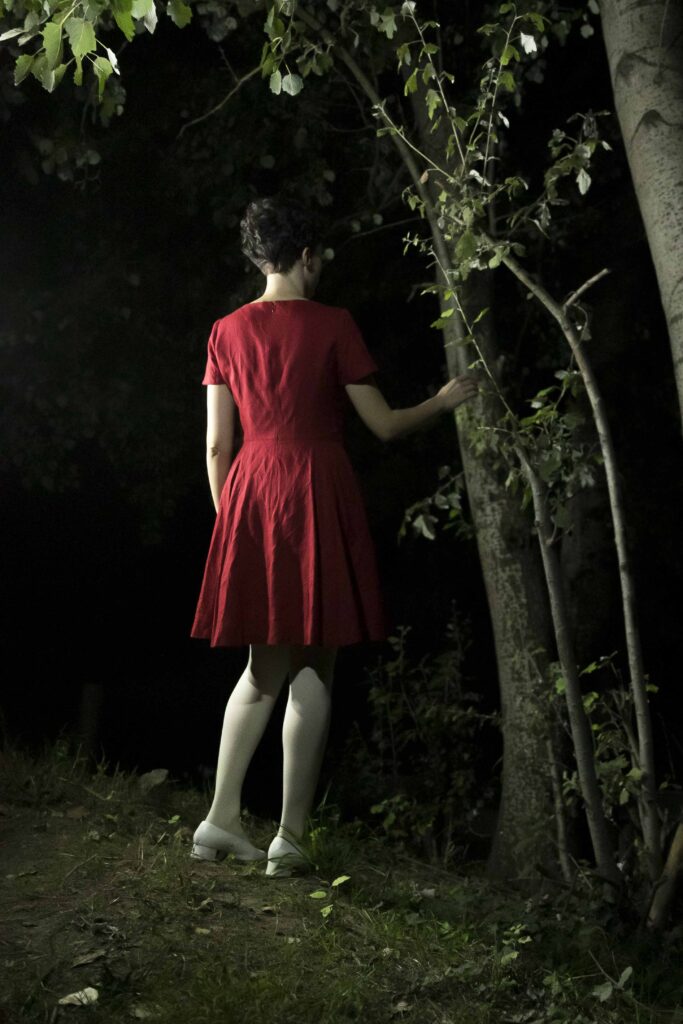
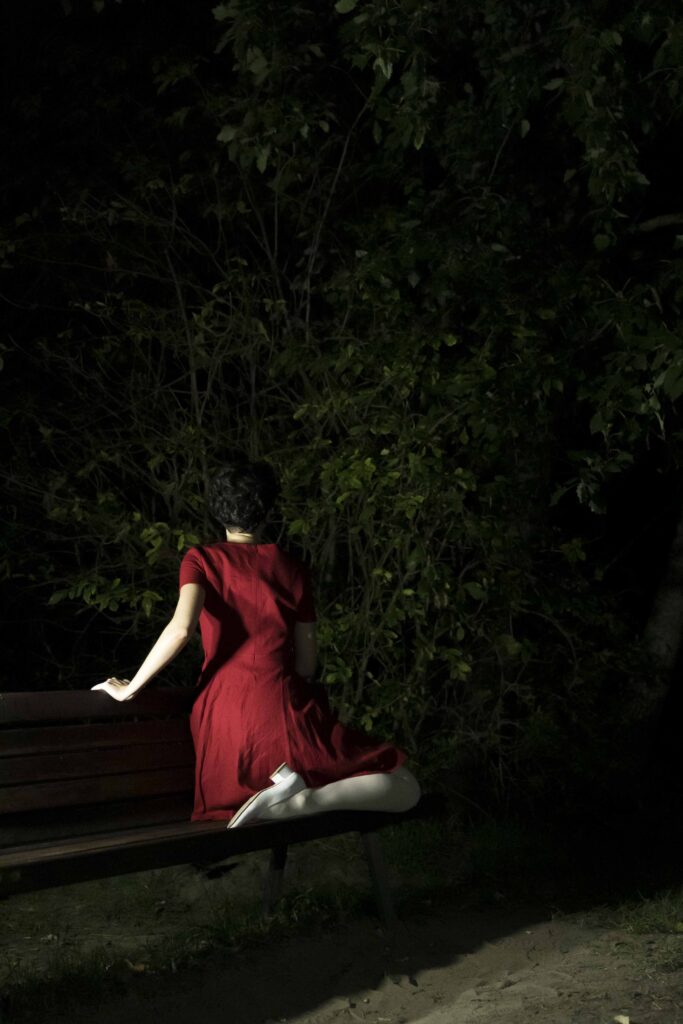
With Diana Lola Posani’s performance FIABA the programme Fivefold Tuning moves beyond Platea’s urban venue to the Piarda Ferrari, situated a short distance from the old town of Lodi. A picturesque green space overlooking the River Adda, the piarda – a term traditionally used to refer to an area for mooring, resting and other activities linked to river navigation – is a site that slopes gently down towards the river through a succession of trees, lawns and terraces. Characterised by a direct relationship between the town, vegetation and water, the piarda serves as a threshold for both passage and lingering, where the natural landscape does not merely provide a backdrop to the urban fabric but takes centre stage. Precisely because of its purpose for both passage and partial seclusion, this location was chosen by Posani in order to take FIABA out of the exhibition space, in close connection with the element of water.
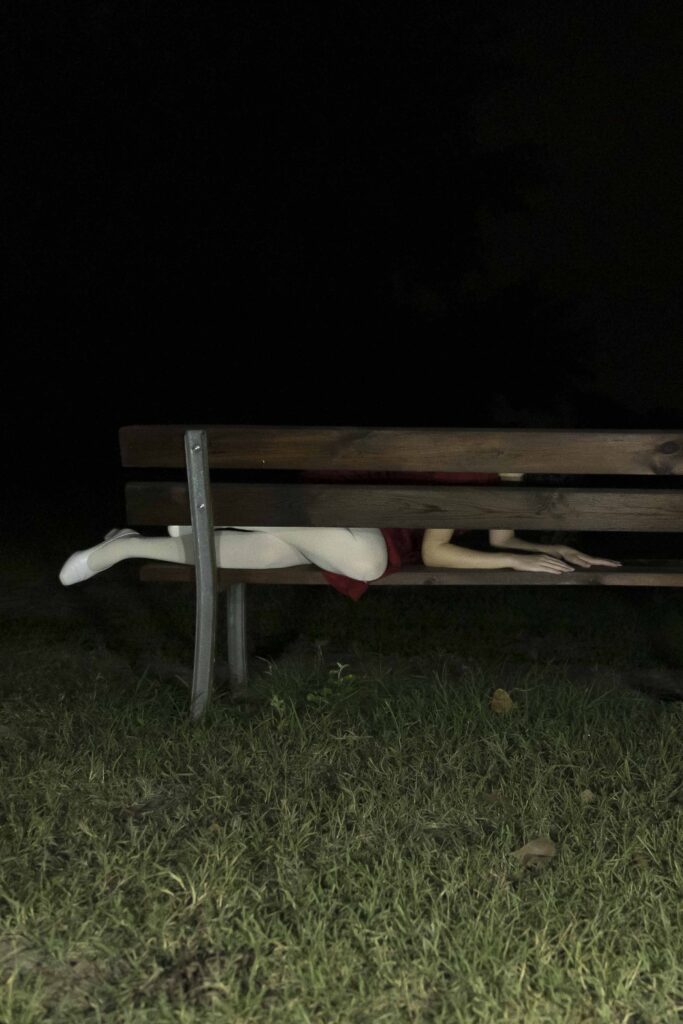
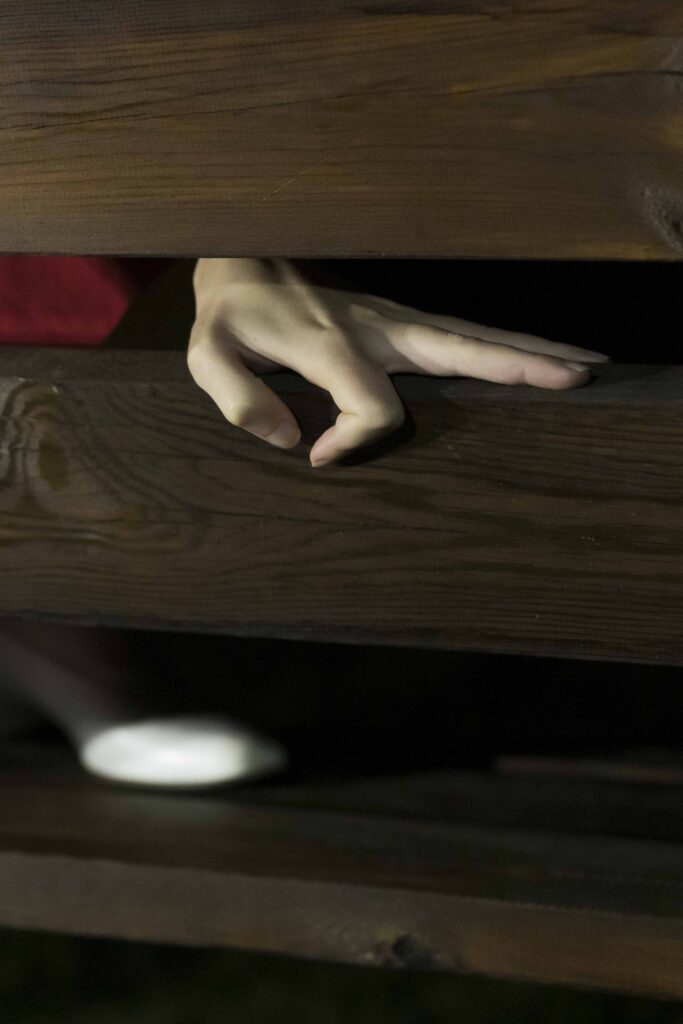
FIABA is rooted in a radical investigation of the voice as living matter, suspended between wonder and restlessness. Through the exploration of unconventional vocality, the artist’s body becomes a resonating chamber for intense psychophysical states. Drawing on the memory of trauma, Posani’s practice removes the individual experience from the purely autobiographical realm and leads it onto an impersonal plane. Sound ceases to represent and becomes a passage: a transit capable of fracturing established modes of expression and challenging the boundaries of what can be said. At the heart of the performance lies the use of a vocal technique characteristic of non-verbal hypnosis, based on the reproduction of the vocalisations of dying animals, which Posani adopts as an elusive language. Sound thus confronts an extreme experience – that of the final moments of life – and becomes a tool for exploring states of mind such as fear and vulnerability. The audience is invited, if they so wish, to engage with the intensity of life and with that which eludes or resists naming.
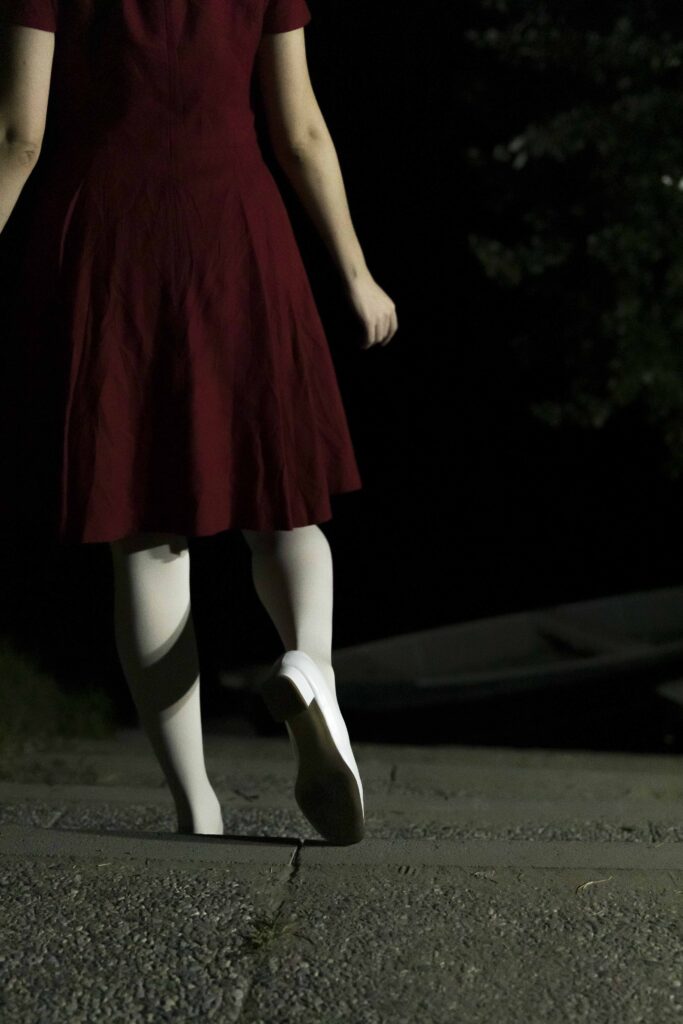
Performed entirely without the use of amplification devices, the performance is the result of a long period of physical and vocal training, revealing the raw presence of the voice as it takes on tangible form and interacts with the river landscape, both visually and acoustically. The choreography follows the natural contours of the piarda and its role as a place of transition between the city and the natural environment. 
FIABA will be incorporated into Fivefold Tuning in the form of an audio track, available until 15 January 2027. Sound, viewed here as sculptural matter, will thus become part of the layering that shapes the exhibition programme. In particular, during the morning hours, Posani’s vocalisations add an alienating layer and a further sense of mystery to the flow of water in Liliana Moro’s work; they lead us back along the River Adda, of which the natural environment inspired Lorena Bucur’s photographs of various plant species, like something out of the crawling form of Federica Balconi’s sculpture. Fivefold Tuning thus remains true to its constantly evolving configuration: an unpredictable harmonisation of voices and forms characterised by ever more elusive contours.
Giovanna Manzotti

Following the launch in March of the programme Fivefold Tuning, curated by Giovanna Manzotti, featuring Liliana Moro’s work | senza | soluzione di continuità di Liliana Moro – intervento architettonico e installativo che funge da asse portante dell’intero palinsesto espositivo – e in seguito agli interventi di Federica Balconi (Monza, 1999) e Lorena Bucur (Cremona, 1996), la terza giovane artista a entrare in scena è Diana Lola Posani (Milano, 1994). Concepita come un unico piano sequenza, la struttura temporale estesa del programma (20 marzo 2026 – 15 gennaio 2027) ospiterà a novembre 2026 l’ultimo intervento dell’artista emergente Andrea Di Lorenzo (Varese, 1994). Il titolo Fivefold Tuning evokes a process of harmonisation and closeness that presupposes mutual listening and shared tension. The opening voice – Moro’s – sets the tone within which the other artists’ practices find their place, in a continuous exercise of attuning between different languages and sensibilities.

Diana Lola Posani was born in Milan in 1994. Her practice spans performance, sound art and curatorial platforms, and is characterised by a constant exploration of the relationship between the artistic process and those of healing. This exploration is neither a stated objective nor a therapeutic outcome, but rather a working approach that embraces ambiguity, vulnerability and incompleteness as its modus operandi. Part of her research into trauma is explored through unconventional practices within her repertoire, such as experimenting with bodily states induced by apnoea. As a performer, she has exhibited at Madre – Museo d’arte contemporanea Donnaregina, Naples; MAO – Museo d’Arte Orientale, Turin; and Pirelli HangarBicocca, Milan. For years she has promoted the importance of listening among both art professionals and non-professionals, holding seminars on the Master’s programme in Performing Arts at the IUAV in Venice, at the MACRO Museum of Contemporary Art in Rome, at the Academies of Fine Arts in Bologna and Marseille, and at the Italian Pavilion at the 2024 Venice Biennale. As a curator, she founded the AKRIDA sound art festival in 2022, as well as contributing musical events to the programmes of the Casaforte atelier, the National Archaeological Museum of Naples and the Milan Triennale. In March 2023, Timeo published her translation of Pauline Oliveros’s book Deep Listening – A Composer’s Sound Practice, titled Quantum Listening, for which she also wrote the afterword, and Sound Meditations, for which she wrote an essay as well as the translation.


MAIN PARTNERS

​
Ferrari Giovanni Industria Casearia S.p.A

Consorzio Tutela Grana Padano

Nel 2020, la Bielorussia è stata attraversata da un’ondata di proteste senza precedenti, scaturite dalla controversa rielezione di Aleksandr Lukashenko per il settimo mandato consecutivo e dalla violenta repressione messa in atto dal suo regime. Questo momento, pur non rovesciando il governo, ha rappresentato una svolta storica: l’emergere di un nuovo soggetto democratico collettivo, capace di ridefinire il senso di comunità e resistenza in quel contesto.